
Most premium packaging on European and American shelves is produced in Asia. The factories there combine experience with complex structures and finishes, a deep supply of papers and components, and — very often — they sit close to where your product itself is made. But if you have never produced packaging abroad, the process can feel opaque. Here is how it works, step by step.
Key takeaways
- A short brief is enough to get started.
- Sampling is where changes are cheap — take your time there.
- Production takes around 2–3 weeks once the sample is approved.
At a glance
- Minimum order
- Usually 250–500 pieces
- Best unit price
- From around 1,000 pieces
- Production time
- Around 2–3 weeks once the sample is approved
- Where we produce
- Partner factories in China, Thailand and Malaysia
Step 1 — The brief
Everything starts with a short brief. You do not need a perfect document; a few lines are enough to begin. The most useful information is:
- What the product is, with its dimensions and weight
- How many units you need, and when they need to arrive
- Where the product itself is manufactured
- The look and feel you are after — references help
- A rough budget per unit, if you have one
From this, we can recommend a packaging type, materials and a realistic production route, and prepare a quote.
Step 2 — Design and dieline
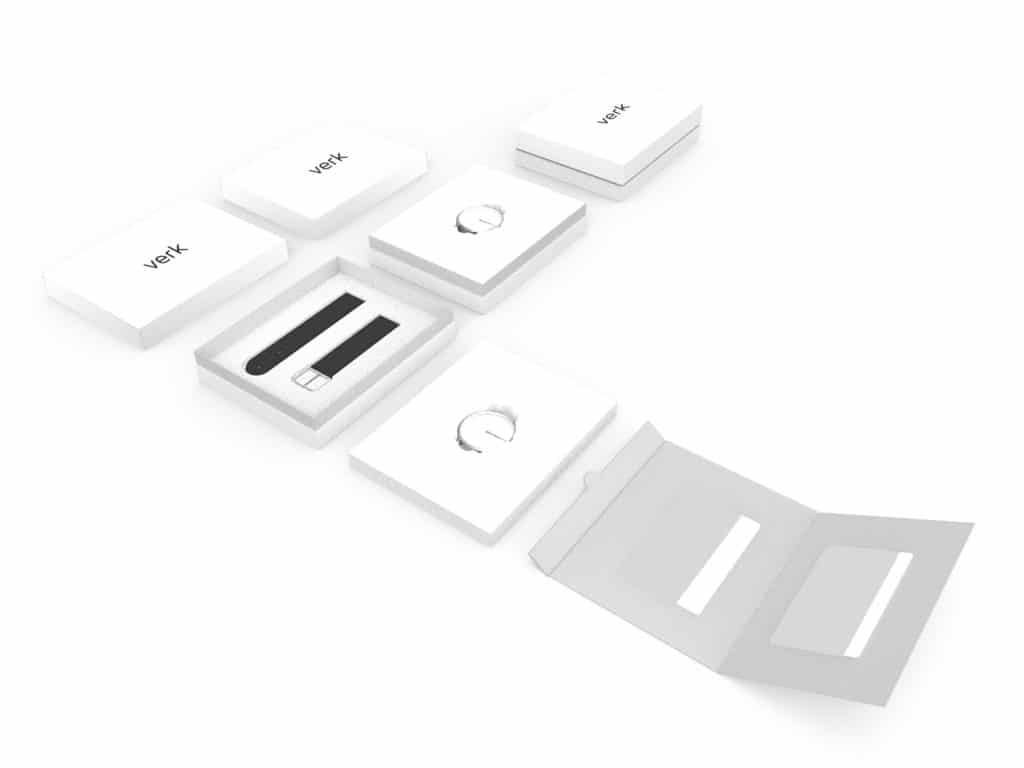
Next comes the design itself: the structure (how the box is built and opens), the dieline (the flat template the factory cuts and folds) and the artwork. Good packaging design is not only about how it looks. Each decision — paper weight, insert, closure, finish — affects cost, protection in transit and how easily it can be produced. Because our designers work with the factories every day, we design with those constraints in mind from the start.

Step 3 — Sampling
Before production, the factory makes a physical sample. This is the moment to hold the box, check colours and finishes, and test how the product sits inside. Changes are cheap at this stage and expensive later, so we recommend taking sampling seriously — and allowing time for a second round if needed.
Step 4 — Production
Once you approve the sample, production starts. For most packaging projects, production takes around 2–3 weeks. Complex structures, special finishes or very large quantities can take longer, and we confirm the timeline in every quote.
Tell us your quantities and timing — we will tell you what is realistic. Free quote for your first project.
Step 5 — Quality control and shipping
Before the goods leave the factory, they are checked against the approved sample. Then they are shipped to you. We can handle freight and customs on the terms that suit you — FOB, DAP or DDP — so the packaging arrives at your door without you managing several suppliers.
FOB
The goods are loaded at the port in Asia; you organise the shipping from there.
DAP
We deliver to your address; you handle import duties and taxes.
DDP
Delivered to your door with duties paid — the simplest option.
How many pieces do you need?
Most packaging factories work with minimum order quantities. For our projects, the minimum is usually 250–500 pieces, and prices become really attractive from around 1,000 pieces, when setup costs are spread over more units. We explain this in detail in our guide to packaging minimum order quantities.
Where in Asia?
We work with partner factories in China, Thailand and Malaysia. The right choice depends on the type of packaging — and above all on where your product is made. Producing the packaging close to the product saves shipping and makes packing simpler, as we explain in where to manufacture your packaging.
Three tips for a smooth project
Start early
Allow time for design and sampling, not just production.
Decide finishes early
Foil, embossing and special papers affect both price and timing.
Plan product and box together
They should be ready at the same time, ideally in the same place.
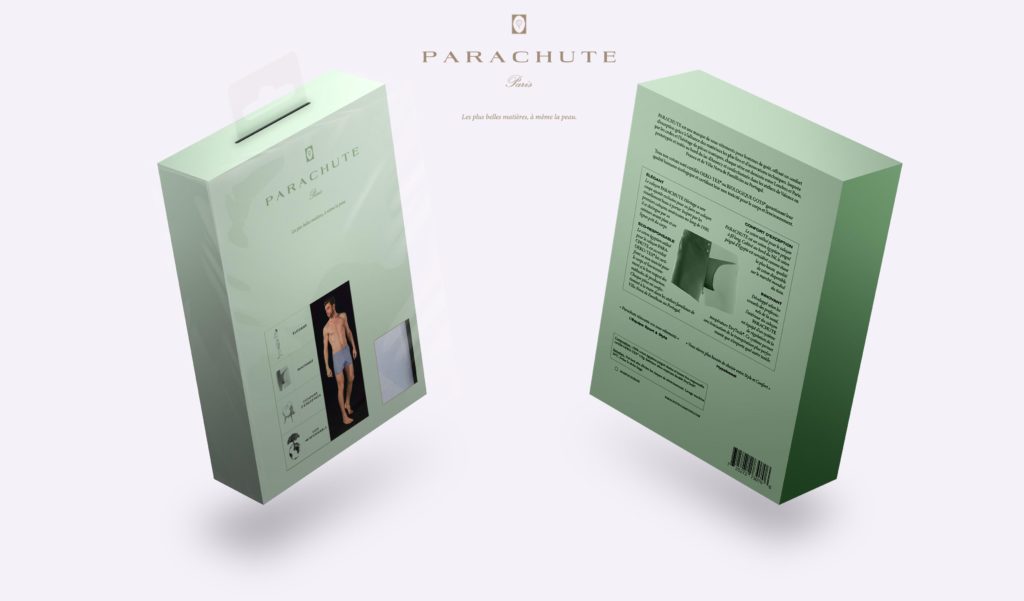
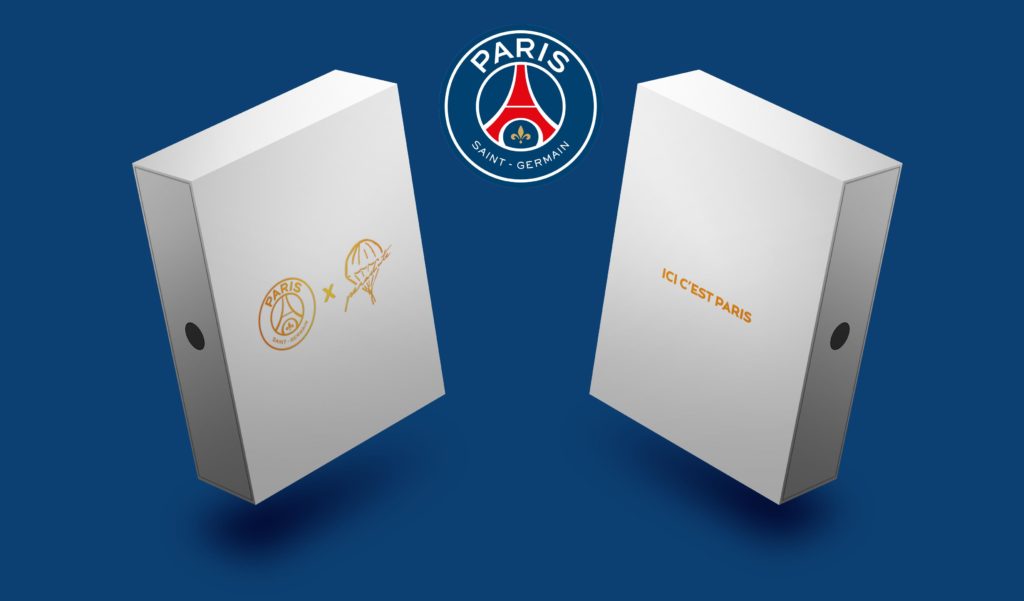
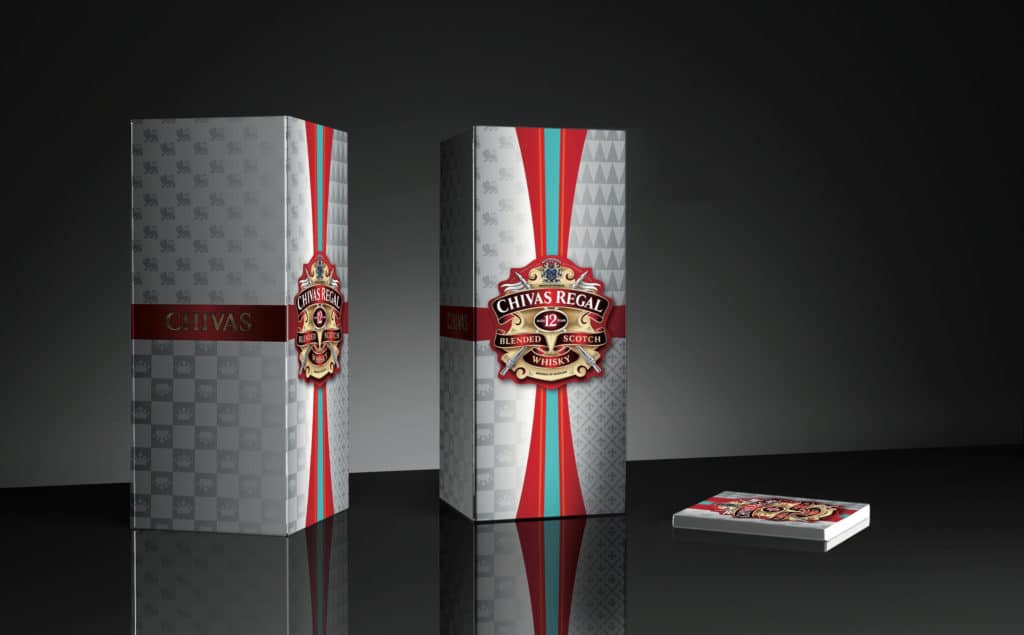
Want to see the result? Browse our packaging design work, including gift boxes for Chivas Regal and Paris Saint-Germain.